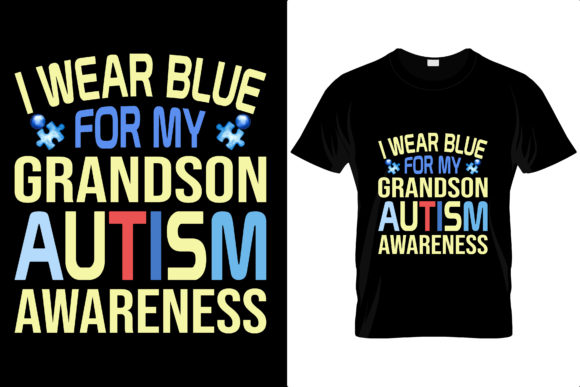
AUTISM T-SHIRT DESIGN Review for Real-World Embroidery Projects
As an experienced embroidery designer and product reviewer, I always take a step back before diving into a new design. It’s not just about whether it looks good in the preview—it’s about how it will translate onto fabric, how it will perform under different conditions, and most importantly, what kind of impression it’ll leave on the customer or end user. That’s why when I first saw AUTISM T-SHIRT DESIGN, I wasn’t immediately sold. I needed to evaluate it as more than just a digital file. Let me walk you through my process.
First Impressions: What This Design Conveys
The phrase “It Takes a Special Teacher to Hear What a Child Cannot Say” is both powerful and personal. The typography and layout of AUTISM T-SHIRT DESIGN suggest a thoughtful, heartfelt message rather than a flashy statement. The design has a clean, soft aesthetic that feels inclusive and respectful. The visual personality leans toward minimalism but still manages to communicate strength and empathy—important traits when creating designs for sensitive themes like autism awareness.
What stands out is how well-balanced the elements are. There’s no overwhelming use of patterns or bold graphics that could distract from the message. Instead, the focus remains on the text, which is clear and legible. This makes it a strong candidate for projects where emotional resonance matters, such as personalized gifts, boutique branding, or custom apparel with a purpose.
Layout and Detail Level
The design is structured with a central message, making it easy to adapt for various placements. For instance, if I were preparing an embroidered tote bag for a teacher appreciation gift, this layout would sit nicely centered or slightly off-center depending on the size of the bag and the hoop space available. The detail level is moderate—just enough to give it character without overcomplicating the stitch count or risking distortion during embroidery.
I also appreciate the subtlety of the font choice. It’s not too cursive or decorative, which helps maintain clarity across different stitch types. Whether using satin stitch for the letters or fill stitch for any supporting graphics (if included), the design retains its readability and charm.
Real-Life Application Scenarios
Let’s imagine a practical scenario. You’re an Etsy seller looking to add a new line of handmade products that speak to educators and parents of children with autism. AUTISM T-SHIRT DESIGN could be used to create a range of items: sweatshirts, baby clothes, tote bags, or even embroidered patches for caps. Each application requires a different approach.
- Tote Bag Design: A large-format tote bag gives the design room to breathe. Testing on a cotton canvas would allow for better stitch definition. I’d recommend using a light stabilizer underneath to keep the fabric taut and prevent puckering.
- Sweatshirt Embroidery: On a thicker, stretchier fabric like a fleece sweatshirt, the design might need some tweaking. Check thread color contrast carefully—especially if using darker tones. The message needs to pop against the background.
- Baby Embroidery: If you're planning to embroider this on a onesie or bib, look at the size and adjust accordingly. The original design may need resizing to fit smaller hoops while maintaining clarity. Avoid high stitch density in these cases to prevent stiffness and discomfort for the child.
- Embroidered Patch: Turning this into a patch could work beautifully. Just ensure the edges are secure with a running stitch or outline stitch to avoid fraying. The simplicity of the design means it won’t get lost when scaled down.
Where to Use Carefully
While AUTISM T-SHIRT DESIGN is versatile, there are certain situations where extra attention is needed to ensure quality results:
- Small Hoop Sizes: The design is best suited for medium to large hooping areas. Attempting to fit it into a tiny hoop can lead to loss of detail, especially in lettering.
- Textured or Stretchy Fabrics: Designs like this benefit from smooth, stable surfaces. Textured materials (like linen blends) or stretchy fabrics (such as rayon or spandex) can distort the shape or cause stitches to pull unevenly.
- Thin or Delicate Fabric: High-density stitching on thin fabric can result in holes or see-through areas. Be sure to test stitch coverage and consider using a tear-away or cut-away stabilizer based on your machine and fabric type.
- Dark Backgrounds: The default thread colors may not show up as clearly on darker garments. Always do a quick mockup in black and white to assess visibility before committing to a full production run.
- Products That Require Frequent Washing: Because this design includes several thread colors and potentially dense stitching, frequent laundering can lead to fading or loosening. Recommend using high-quality embroidery threads and testing wash durability on a sample piece.
Design Clarity and Customer Perception
One of the key things I look for in a design like AUTISM T-SHIRT DESIGN is how it affects the perception of the finished product. Will customers find it appealing? Will they recognize it as something meaningful?
This design does well on both counts. The message is direct and impactful, making it ideal for handmade product lines that aim to tell a story. As a gift item, especially around holiday seasons, it adds a layer of intentionality that sets your offerings apart. For small shop owners or craft businesses targeting niche markets, this kind of sentiment-driven design builds trust and connection.
However, if you're aiming for a minimalist brand style, the amount of text might feel a bit heavy. In such cases, you could simplify the design by focusing only on the core phrase or using it as part of a larger composition with other motifs or symbols that reflect autism awareness.
Practical Designer Notes Before Using the Design
Here are a few actionable tips to help you make the most of AUTISM T-SHIRT DESIGN in real-world embroidery projects:
- Test First: Always stitch the design on scrap fabric before applying it to your final product. This helps identify potential issues with tension, color blending, or misregistration.
- Check Thread Color Contrast: Especially if you're using it on dark backgrounds. Some colors may fade or bleed after washing, so choose threads with good opacity and fastness.
- Review Stitch Density: Too much fill stitch can stiffen the fabric, particularly on items like baby clothes or tea towels. Adjust the density for comfort and aesthetics.
- Confirm Hoop Size: Make sure your hoop can accommodate the full design without forcing it to shrink. Resizing can affect proportions and clarity.
- Inspect Small Details: Look closely at the lettering and any supporting graphics. Tiny details can be tricky with certain machines or settings. Don’t skip this step if you want professional-looking results.
- Use Proper Stabilizer: Depending on the fabric, a tear-away or wash-away stabilizer may be necessary. Cotton or felt often require additional support for precise stitching.
- Confirm Licensing: Since this is a Graphics product from a Print Templates store, always verify the licensing terms before using it in commercial projects or selling digital files. Many free or low-cost designs have restrictions that apply to resale or redistribution.
Matching the Right Project to the Design
AUTISM T-SHIRT DESIGN shines brightest when paired with the right project. Here are a few suggestions:
- Teacher Appreciation Items: Think tote bags, aprons, or custom hoodies. These are all common gifts that carry messages well.
- Holiday Gifts: Personalized sweaters or ornament covers could incorporate this design subtly, adding meaning to seasonal items.
- Nursery Decor: If the design is adapted to include softer fonts or subtle accents, it can work well on pillow covers or wall art.
- Commercial Embroidery: For boutique owners or craft business operators, this design could serve as a signature asset, especially if it aligns with your brand mission.
Final Thoughts for Embroidery Creators
When evaluating a machine embroidery design like AUTISM T-SHIRT DESIGN, it’s important to think beyond the initial appeal. How will it hold up in practice? Does it bring value to the finished product? Is it versatile enough to adapt to multiple uses while maintaining its integrity?
In my view, this design passes those tests. It's not just another slogan stitched onto fabric; it’s a message that carries weight and emotion. When applied correctly, it enhances the visual appeal of your project and deepens the product value. Customers respond to sincerity, and this design, when executed thoughtfully, conveys that.
That said, don’t underestimate the importance of preparation. Every embroidery project deserves a trial run. And for Etsy sellers or anyone planning to sell digital embroidery files, double-check everything from fabric compatibility to licensing before listing anything for sale.
If you're considering AUTISM T-SHIRT DESIGN for your next custom apparel collection or personalized gift line, take the time to understand its nuances. With the right care and context, it can become a standout design asset that resonates with your audience and elevates your creative portfolio.